Since the 1990s, Sudan has carried the scars of international pariah status. Under the grip of the Muslim Brotherhood and the now-defunct National Congress Party, Khartoum became a sanctuary for extremists, drawing sanctions, isolation, and condemnation from across the globe. That legacy was not political miscalculation—it was deliberate misrule, turning the state into a machine for exporting ideology and crushing its own people.
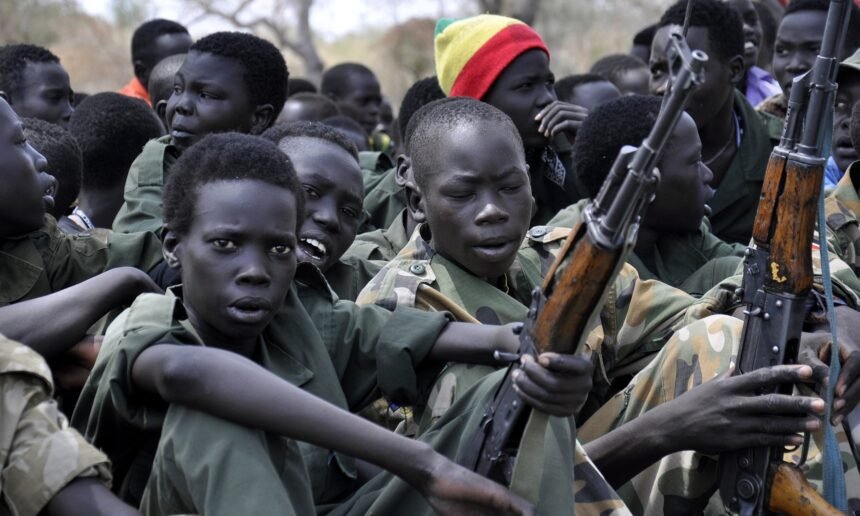
Three decades later, history circles back. The war unleashed in April 2023 has reopened Sudan’s wounds, and the same figures once toppled by the December Revolution have returned through the back door. Backed by General Abdel Fattah al-Burhan and the military command, Islamist hardliners and remnants of the old regime have re-entrenched themselves, steering Sudan toward the same failed model that once dismantled its future.
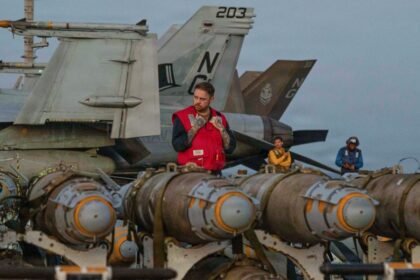
Washington has responded. On June 26, the United States invoked the Chemical and Biological Weapons Control Act, imposing sanctions on the Sudanese Armed Forces. The signal is clear: the use of banned weapons will not be tolerated. These measures may deepen into broader restrictions—blocking loans, severing international financing, and even shutting down diplomatic channels. The prospect of direct military action, should chemical weapons use be verified, now hangs over Sudan like a storm.
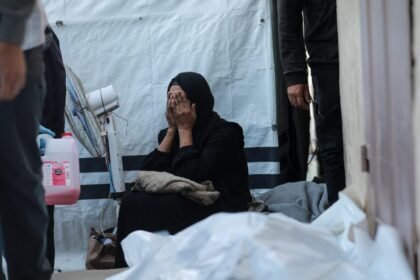
The cost will not fall on generals alone. Ordinary Sudanese are already battered by war, mass displacement, and economic collapse. With hospitals shuttered, services broken, and millions uprooted, new sanctions risk tightening the noose on a population already crushed by hunger, disease, and fear. Meanwhile, the regime doubles down—leaning on Islamist networks and courting Iran, Russia, and China, rather than addressing the collapse at home.
This is the pattern Sudan knows too well: repression inside, reckless alliances outside, and a march into deeper isolation. It is a path that transforms the state into a hollow shell—weaponized by ideology, weakened by corruption, and divorced from its people.
Sudan’s survival depends not on generals or recycled elites, but on the rebirth of a civilian democratic project that can anchor the nation in integrity and law. Without it, the country risks crossing a threshold from crisis into permanent failure.
The Guardline stands by one truth: integrity is the measure. And as Sudan teeters between the ghosts of its past and the demands of its future, the choice is stark. Either a nation reclaims its people, or it collapses under the weight of its own betrayal.