The Guardline

Alain Stephens is an investigative reporter covering gun violence, arms trafficking, and federal law enforcement.
There is a tangible heat to being Black in America this summer.
Every morning starts the same. A jolt of coffee and nicotine as my thumbs scroll a daily intake of Black death and indignity.
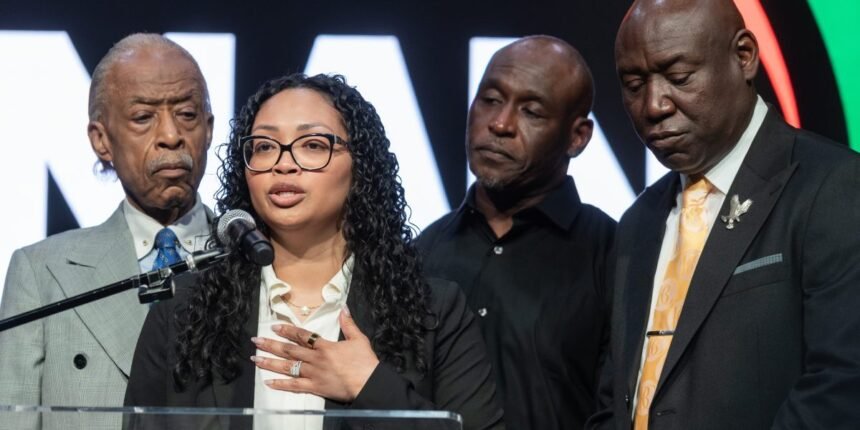
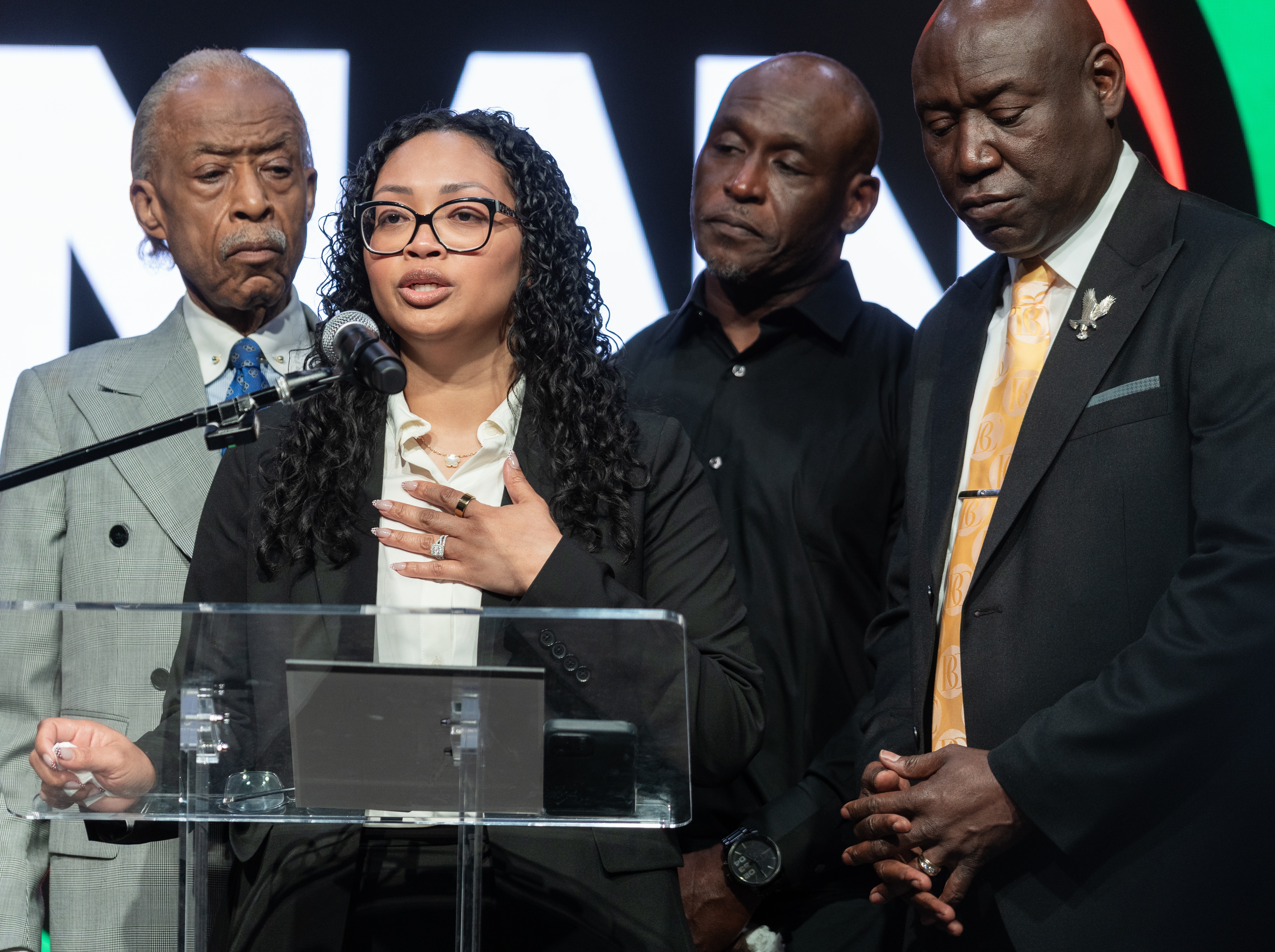
It mostly comes dosed in tears. Tears of Black moms and aunties, projected behind stone-faced fathers and grandpops trying to hold it together behind press podiums.
This summer, it was Nolan Wells, an 18-year-old who disappeared during a trip to Mississippi’s Horn Island over the Fourth of July. Wells, who traveled to the island with a predominately white group of friends, was found dead in the water two days later. Authorities have not announced a final determination of what happened, but Wells’s family has challenged the official timeline and sought an independent autopsy. The investigation remains ongoing, which is to say that another Black family is waiting for answers in the indeterminate dark. In a state synonymous with deep-seated anti-Black racism, and the highest number of recorded lynchings, speculators and community members have begun to fear the worst.
It’s an expectation that has set the tone for living while Black in this new era. Where at any moment you, as Black person, can be erased for the most negligible of offenses, and if you’re not careful, be discarded into the void.
Before Nolan Wells, we watched in June as another Mississippi family laid their Black boy to rest. Kohen Wiley, who was just a year old, was shot and killed by Senatobia police officers, who fired into the vehicle where Wiley was sitting on his mother’s lap. After a friend of Wiley’s mother was accused of shoplifting a box of diapers at a Walmart, police opened fire on their car under the pretense that the vehicle was “oncoming” toward the officers. Civil rights attorney Ben Crump has said the officers were not in the car’s path, citing a photo from the scene. A month later, investigators have yet to release body camera footage of the incident or provide any new answers. No charges have been filed.
Black Americans had already borne witness to those familiar echoes. Earlier that month, a jury in South Carolina acquitted 61-year-old Rick Chow of a murder charge after he shot and killed Cyrus Carmack-Belton, 14, for the alleged offense of stealing bottled water. Video evidence of the 2023 incident shows the store owner chasing Carmack-Belton out of the shop after falsely accusing him of theft. Chow, who had twice before shot patrons he suspected of shoplifting, would go on to shoot the teenager in the back as he fled.
Whether over a box of Pampers or a gulp of water, it is a startling reminder that for too many non-Black Americans, protecting even the most trivial property can take precedence over the sanctity of a Black life.
It’s an existential dread that has now turned into expectation, an anxiety meant for the mind to blunt the inevitable oncoming pattern of pain, disappointment, and injustice — in this case, being Black in America.
These deaths do not exist in isolation. They arrive amid a broader retreat from the institutions that, however imperfectly, once acknowledged Black Americans as a constituency deserving of protection and investment.
And the casualties of Black existence transcend more than just bodies. The Trump administration has waged full spectrum warfare on Black identity in every sense.
Since Trump returned to office, Black workers have experienced rising unemployment, with Black men seeing some of the steepest job losses in recent memory, according to an analysis by the Economic Policy Institute.
This coincides with broader efforts by the Trump administration to dismantle federal diversity, equity, and inclusion initiatives, directing agencies to terminate DEI programs and contracts while encouraging similar rollbacks throughout the private sector. The administration has also sought to reshape how race is discussed across the federal government, from education and museums to civil rights enforcement.
At the same time, the administration has continued to chip away at the legal architecture of voting rights, with years of court decisions making it more difficult to challenge racial gerrymandering and voting restrictions. The Supreme Court’s recent decision dismantling key Voting Rights Act protections has opened the door for states to erase Black-majority districts, which threatens to strip Black communities of congressional representation across the South.
If there was anything novel to the current pulse of American white supremacy, it is that it doesn’t seek domination but to erase Blackness altogether.
Trump’s supporters have come out in droves to support this mission, from swarms of masked white supremacists descending on the U.S. Capitol in honor of our nation’s 250th birthday to the endless viral videos of white men brandishing guns at Black people doing anything from swimming at the pool to handing out flyers.
It is no surprise that, under the constant reminder that the market value of Black life has plummeted, many Black Americans are succumbing to despair. Suicide rates among Black Americans — especially young Black men — have risen sharply over the past decade. Researchers point to a convergence of untreated depression, limited access to mental health care, economic instability, exposure to violence, and the cumulative weight of racialized stress.
None of those policies alone determine whether a police officer fires a gun, whether a jury reaches a particular verdict, or what pushes a broken down mind over the brink. But together they communicate something many Black Americans increasingly recognize: that America has further turned tail and ran away from its promise of an egalitarian society, or even the aspiration that it should be one.
That departure has consequences well beyond Washington. It shapes who receives the public’s attention, which communities are viewed as worthy of investment, and whose fears are treated as matters of national concern.
For Black Americans watching another summer marked by funerals, investigations, and courtroom disappointments, the sentiment is not simply that violence persists. It is that the country is becoming less interested in confronting why it persists at all.
That is the understanding of it. But the feeling is something entirely different.
And that feeling is scary as hell.